

Social media has changed a lot over the past few years. Organic reach is harder to achieve, AI is transforming content creation, and B2B buyers now spend more time researching online before contacting a company.
People often ask me how I manage to run SEA campaigns, SEO strategy, paid social, content and website projects for multiple clients without losing my mind. The honest answer is that I do not do it alone any more.

If you want your brand to appear in AI-generated answers from ChatGPT, Perplexity, Google AI Overviews and Gemini, you need the right toolkit to monitor, optimise and measure your performance.
There is a widespread misconception circulating in marketing circles right now. It goes something like this: AI search is replacing websites, so investing in your website matters less than it used to. That is precisely backwards. In 2026, your website is not becoming less important. It is becoming the foundation on which your entire digital visibility depends, including your visibility in AI-generated answers.
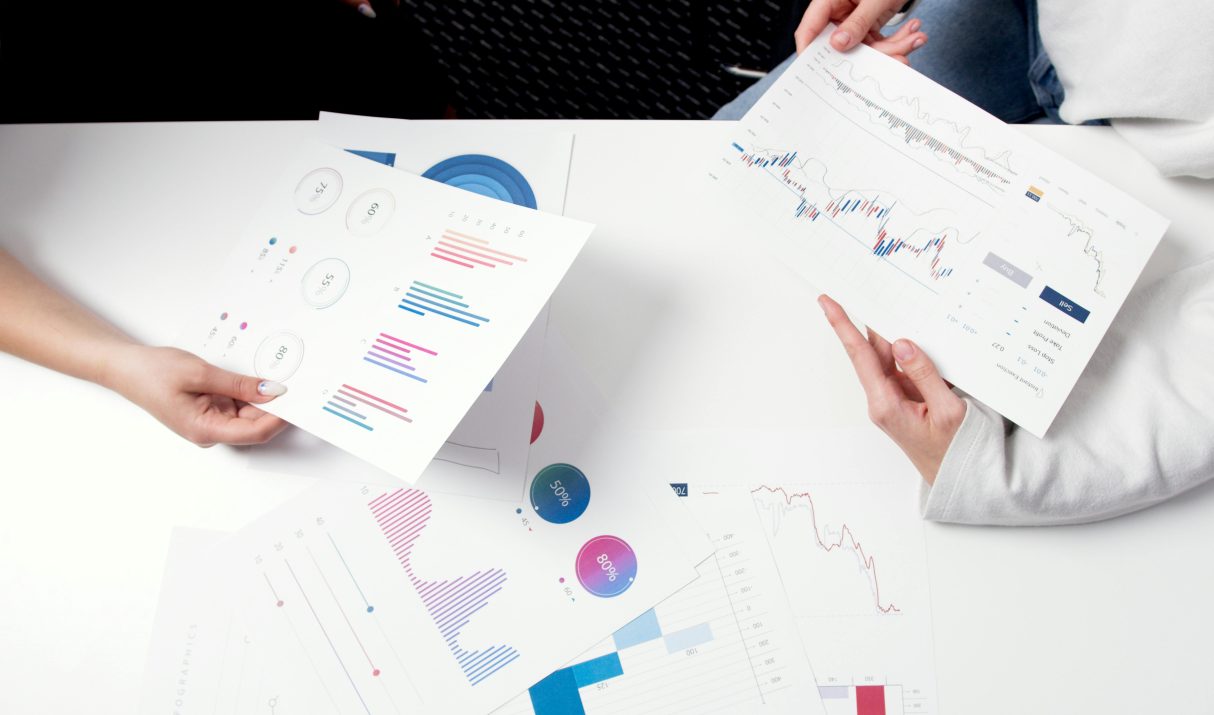
For years, the promise of paid social was built on one idea: you could reach exactly the right person, at exactly the right moment, with laser precision. That era is over. Privacy legislation, platform changes and the rise of AI-driven delivery have fundamentally dismantled the hyper-granular targeting model that advertisers relied on for a decade. The question is not whether to adapt. It is how.
Search has changed more in the past two years than in the previous decade. Users are no longer clicking through lists of links to find answers. They are asking AI tools like ChatGPT, Perplexity and Google AI Overviews and getting a single, synthesised response. If your brand is not part of that response, you are invisible to a growing share of your audience. That is exactly why Answer Engine Optimization (AEO) has moved from a niche concept to a strategic priority in 2026.

Google Ads has always rewarded the most skilled advertisers. In 2026, the definition of skill has fundamentally changed. AI now runs the majority of campaign decisions, and the marketers falling behind are those still trying to manage Google Ads the way they did in 2022.
If your competitors are showing up above you on Google, it’s rarely down to luck. There are specific, fixable reasons why they’re winning in search, and this article breaks down exactly what they’re doing differently.
You might be publishing consistently and ticking all the basic boxes but if your traffic has plateaued or is quietly declining, chances are one of these common mistakes is holding you back.